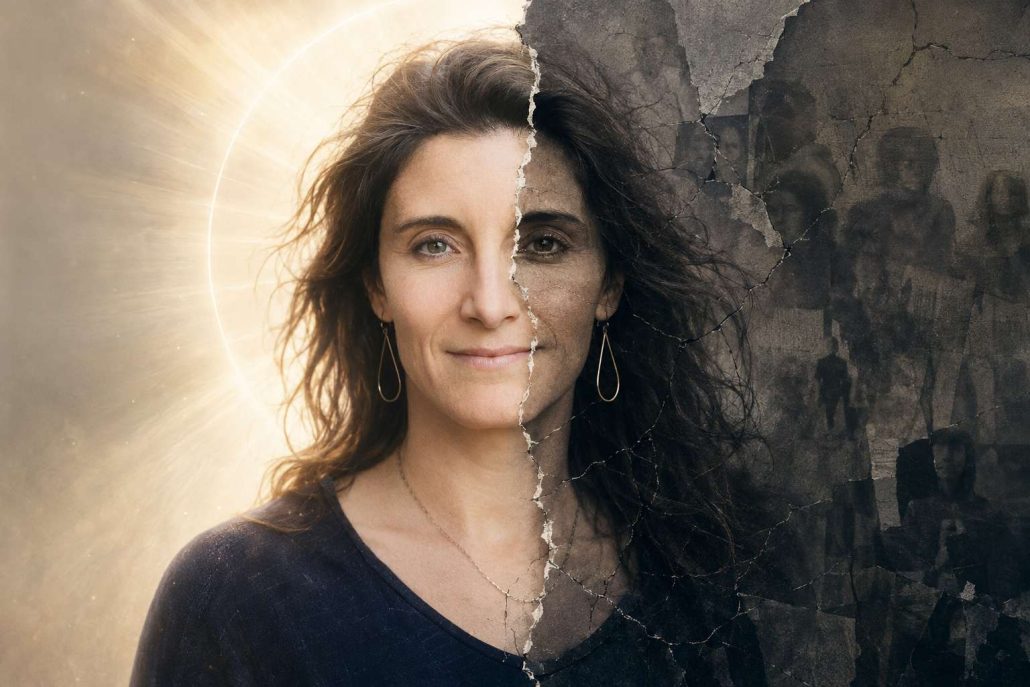
There are people who think I should stop talking about Brandy Vaughan because she is dead.
I disagree.
Death does not turn someone into a perfect angel. It does not erase the harm they have caused, the people they have hurt, the accusations they made, the contradictions in their behavior, or the consequences of their actions.
Brandy’s death was tragic, but tragedy does not rewrite history. It does not require the rest of us to pretend that every interaction was good, every motive was pure, or every decision was beyond criticism.
Brandy was a public figure. She built a public platform. She became one of the most recognizable names in the vaccine-safety movement. And my personal experience with her was one of the first things that made me start questioning what was really going on behind the scenes.
That is why I still write about her.
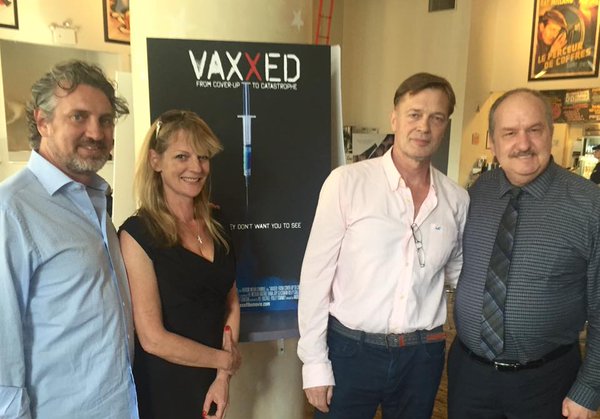
At one time, I was one of the strongest promoters of Vaxxed you could find. I promoted the movie and the people around it almost nonstop because I believed we were all fighting for the same thing. I had two severely injured children. Weston was suffering. Emily was suffering. I was not looking for fame, a speaking career, or a nonprofit empire. I wanted answers, and I wanted to help other families avoid what happened to mine.
When I first discovered Brandy Vaughan’s Learn The Risk organization, I was impressed. The website was polished. The materials were professional. The message appeared to line up with what I was trying to do.
So I supported her.
I bought roughly $500 worth of her materials because I wanted to distribute them. Then I asked if I could buy the cards in bulk because I wanted to hand out thousands of them. I was willing to spend my own money to promote her organization and get her materials into more hands.
The answer was no. That answer shocked me.
Not because I felt entitled to a discount, but because I thought the mission was supposed to be getting information out. If somebody is offering to buy thousands of your cards and distribute them at his own expense, why make that difficult?
I kept trying to work with her organization anyway. I spoke with her assistant. I wanted to help build outreach in Arizona. I wanted billboards. I wanted to help raise money. I had decades of sales and marketing experience and was essentially saying, “Use me. I’ll help.”
I got nowhere. Then came 2018.
People at one of Brandy’s events were wearing “Are Vaccines Safe?” shirts and distributing cards connected to my outreach. Instead of being happy that information was spreading, Brandy accused me of copying her materials, her branding, and even her font.
Her font. I put the materials side by side. They were not copies. That incident changed the way I looked at her and, eventually, the entire movement.
I had thought we were trying to reach families. What I saw instead felt territorial. It felt like branding, ownership, control, and competition over who got credit for the message.
Then came another contradiction I have never forgotten. Years later, elements of material I had created appeared on LearnTheRisk.org under their branding and were being sold commercially. After I had been accused of copying her.
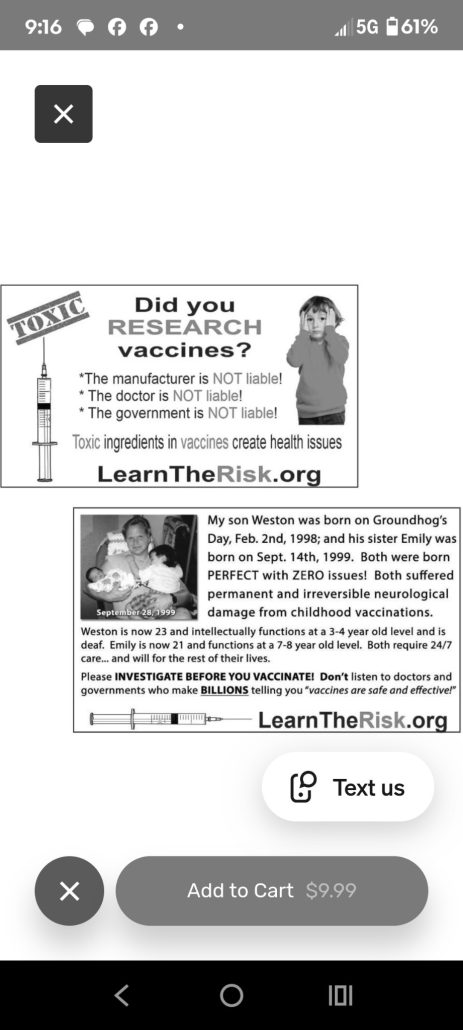
Nobody called me. Nobody asked permission. Nobody suggested we work together. That was when I realized the fight was not really about a card. It was about control.
Once I started seeing that, I began looking at everything differently. Who got elevated, invited onto stages and received immediate access to major personalities?
Who became a movement celebrity almost overnight? Who controlled the audience, the fundraising, and the message? And who remained invisible no matter how badly their family had been hurt?
Brandy was presented as the fearless Merck whistleblower. I started looking more closely at the timeline and asking questions about when the whistleblowing actually began, how quickly she rose, how polished the organization was from the start, and why certain personalities seemed to be elevated so rapidly.
Those questions made people very uncomfortable.
Apparently, you are allowed to question pharmaceutical companies, government agencies and doctors. But to question the people making careers out of fighting those institutions??? That’s where the questions are not allowed and frowned upon.
The deeper I got into it, the less organic the entire thing felt to me. And I will say this exactly the way I mean it: It felt like a psyop.
After years of watching the same personalities rise, the same narratives get promoted, and the same families remain on the outside looking in. It felt managed and packaged. The people were being handed heroes and told who to trust.
Meanwhile, families like mine were living the consequences every single day. That is the part that angers me most. People built platforms around injured families while many of those families were still drowning.
The pain about our children became stories and fundraising material. And eventually an entire economy grew around the suffering.
I know some people will say that none of this should be discussed because Brandy is dead. I reject that completely.
If anything, it deserves more scrutiny now, because once someone becomes a martyr, people stop asking questions. I do not believe martyrdom should make anyone untouchable.
Brandy Vaughan was one of the first people who made me start looking behind the curtain. Once I started, I kept going.
The nonprofits, filmmakers, celebrity activists, fundraising organizations, conferences, influencers and the carefully built public images. The same names appearing over and over.
I eventually realized that the pharmaceutical industry was not the only industry making money from misery.
That realization became one of the foundations of Monetizing Misery II.
Watch the Original Video
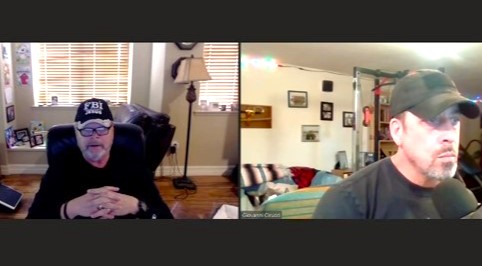
I am including the original video below because I want people to hear this directly from me, in my own words, without someone else sanitizing it, summarizing it, or deciding what I am allowed to say.
In that video, I explain my history with Brandy, what happened between us, and why those experiences became such an important turning point for me.
People are free to disagree with me, to defend Brandy or to believe I am wrong. But I am not going to pretend my experience did not happen just because the story makes people uncomfortable.
That is why I still write about Brandy Vaughan. Because for me, she was not the end of the story. She was where I started asking the questions that eventually changed everything.
Read Monetizing Misery for FREE or Read my latest book Monetizing Misery II on Amazon.