Recently, I asked a simple question on Facebook:
HOW MANY PEOPLE HAVE YOU PERSONALLY KNOWN THAT HAVE DIED FROM MEASLES?
The response surprised me.
Since I first posted this question On August 13, 2026, the response has exploded. There are now 1,000+ replies, and the overwhelming majority answer is still the same: ZERO. Most people say they have never personally known anyone who died from measles. A small number of commenters, however, have shared stories involving what they describe as vaccine-associated encephalitis or other serious reactions following measles vaccination.
That doesn’t mean measles has never caused serious complications or death. It has. And a Facebook thread is certainly not a scientific study.
But it does raise an interesting question:
Does the fear surrounding measles today match how most people actually remember experiencing it?
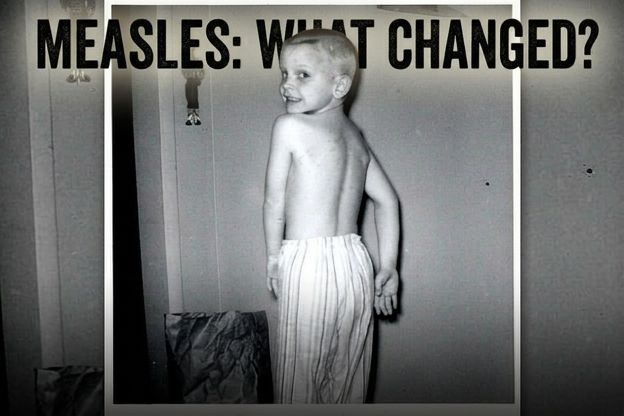
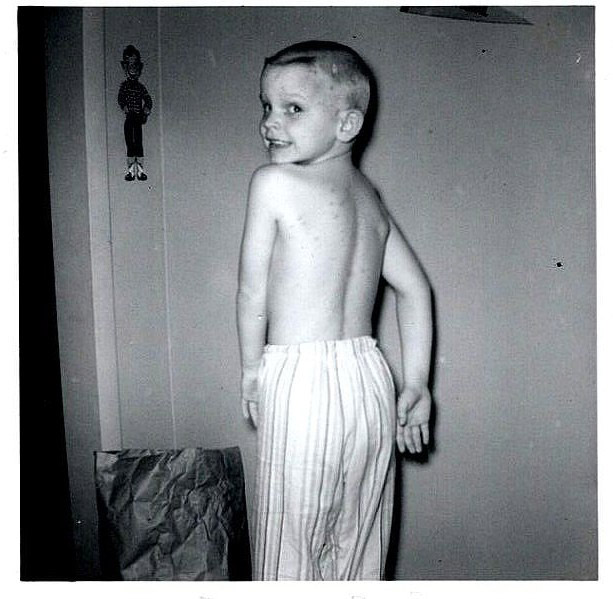
I Remember Measles Very Differently
I grew up during a time when measles was far more common than it is today.
And I remember it as relatively benign. Kids got sick, stayed home from school, recovered, and went back to normal life. It simply wasn’t talked about with the level of fear we hear today.
One of the clearest examples of that cultural attitude can be seen in a 1969 episode of The Brady Bunch called “Is There a Doctor in the House?”
In the episode, all six Brady children come down with measles.
Are they terrified?
Hardly.
They’re happy to stay home from school, play games and enjoy ice cream while they’re “sick.”
I’m including a clip from that episode here because it is such a remarkable snapshot of how measles was viewed by mainstream America at the time.
A sitcom isn’t medical evidence, of course.
But it does tell us something about the culture.
And That Brady Bunch Episode Is Now Missing
What makes this even more interesting is that the measles episode is no longer available with the rest of Season 1 on Paramount+. The listing jumps from Episode 12 to Episode 14.
Various explanations have been offered over the years for missing Brady Bunch episodes, including music and copyright issues, and other episodes are missing as well.
So I cannot say that this episode was removed specifically because of measles. But I can’t ignore how dramatically its portrayal conflicts with today’s messaging.
In 1969, millions of Americans could watch children with measles eating ice cream and joking about being home from school. Today, measles is routinely presented as a frightening public-health emergency.
That’s quite a shift.
Some Replies Raised Another Question
Most people responding to my Facebook post said they had never personally known anyone who died from measles.
But a few responses took the conversation in another direction.
One mother said her adult son’s death certificate listed post-measles-vaccine encephalitis, which she attributed to a measles vaccination he had received in childhood.
Another commenter described witnessing a 2-year-old girl develop what she called “atypical measles” after an MMR vaccination.
I cannot independently verify those individual medical histories.But their experiences shouldn’t simply be ignored either.
If we’re going to have an honest conversation about measles, then we should be willing to discuss both the risks of the disease and the risks people report following vaccination.
So I’ll Ask Again
My Facebook post wasn’t intended to prove anything. It was meant to make people think.
How many people have you personally known who died from measles?
For 1,000+ commenters so far, the overwhelming answer has been:
Zero.
And for those of us old enough to remember when measles was common, perhaps the bigger question is this:
When did our memory of measles become so different from the way we’re told to think about it today?