She Refused to Be Silenced. Thousands of Supporters Answered.
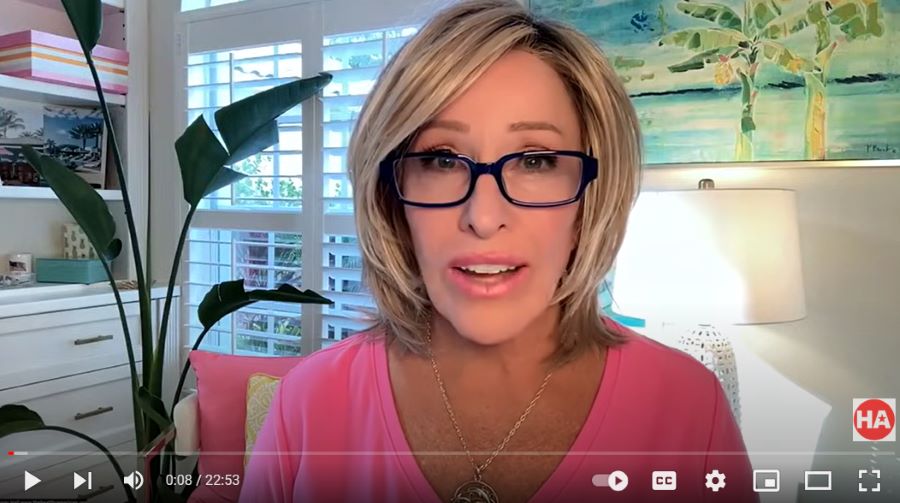
For more than six years, Dr. Sam Bailey, a former New Zealand physician and outspoken medical researcher, has been engaged in a relentless legal and financial battle with the Medical Council of New Zealand. Her refusal to remove publications questioning COVID-19 policies, conventional virology, and established medical narratives has placed her at the center of a bitter controversy over scientific freedom and professional authority. Bailey says the consequences have been devastating, including substantial financial penalties, seized bank accounts, and repeated disruptions to her family life. Yet despite mounting pressure, she has remained steadfast in her refusal to retract her work or abandon her convictions. Now, in an extraordinary show of solidarity, more than 2,000 individuals, families, and organizations have stepped forward to support her, raising over $246,000 toward a $250,000 crowdfunding goal in just one week. For Bailey and her supporters, this is more than a financial victory. It is a powerful demonstration that she is not standing alone.
But why has Dr. Bailey become such a controversial and frequently demonized figure? Her opposition to COVID-19 policies is only part of the story. Bailey has challenged some of the most fundamental assumptions underlying modern medicine, particularly germ theory and the scientific methods used to identify and characterize viruses. She questions whether conventional virology has adequately demonstrated the role of viruses in causing disease, disputes interpretations of PCR testing, and argues that the medical establishment has placed too much emphasis on pathogens while overlooking the body’s internal environment. Her perspective is rooted in terrain theory, which emphasizes nutrition, environmental conditions, toxins, stress, and the body’s natural capacity for healing. These ideas are explored in greater detail in The Terrain Theory Explained: Why Dr. Sam Bailey Rejects the Germ-Centered Model. Although her rejection of fundamental aspects of virology conflicts with extensive established scientific evidence, Bailey continues to question the methods and conclusions that conventional medicine considers settled.
Bailey’s willingness to challenge these foundations has extended well beyond New Zealand. She has drawn attention to legal proceedings in India in which petitioners have questioned the scientific evidence presented for the existence and disease-causing role of viruses. Greg Wyatt has followed these developments in a series of articles, beginning with Are Viruses Real? India High Court Case Sparks Global Debate. Subsequent reporting examined questions surrounding the evidence presented in the case, including Did India Ever Produce the Evidence of SARS-CoV-2? Court Deadline Passes Without Scientific Demonstration and India’s Germ Theory Court Case Takes a New Turn. While these legal challenges have not yet established that viruses do not exist, they illustrate the broader movement questioning conventional scientific explanations and demanding greater scrutiny of the evidence used to justify public health policies. For Bailey, these questions are inseparable from a larger debate over scientific authority, institutional accountability, and the freedom to challenge prevailing beliefs.
The personal cost of Bailey’s outspoken position has been considerable. According to her account, the Medical Council’s litigation against her has continued for more than six years, consuming enormous amounts of time, energy, and financial resources. She says authorities sought the removal of her publications beginning in 2020, but she refused. In 2021, she voluntarily and permanently left medical practice, making the Council’s subsequent decision to strike her off the medical register in 2024 largely symbolic from her perspective. Yet the financial consequences continued. Bailey reports having bank accounts seized and experiencing repeated disruptions to her family life. She believes the escalating penalties were designed not only to punish her but also to send a warning to other medical professionals who might consider speaking out. Critics, however, view professional disciplinary action as part of protecting patients and maintaining medical standards. Bailey firmly rejects the suggestion that paying the fines represents surrender. Instead, she and Mark have decided that ending the financial proceedings will allow them to devote their time and resources to the research and publications they believe are most important.
For Bailey and the thousands who stepped forward to support her, the crowdfunding campaign represents much more than the settlement of a financial obligation. It has become a symbol of what can happen when individuals unite behind someone they believe has been unfairly targeted for challenging powerful institutions. As Bailey explained in her announcement, the tremendous response has effectively neutralized the financial pressure that she believes was intended to silence her. With the campaign approaching its goal, she and Mark are preparing to resume their regular health publications and continue their research into the foundations of modern healthcare. The larger questions surrounding medical freedom, professional authority, and the right to challenge established scientific narratives remain. But for the Bailey family, one thing is clear: their supporters have helped bring a difficult chapter toward its conclusion, allowing them to continue the work they believe in. Their message is simple: the financial battle may be ending, but their mission is far from over.
Learn more and support Dr. Sam Bailey: SupportDrSam.com
Dr. Sam Bailey’s substack: https://drsambailey.substack.com/p/we-did-it-250000-crowdfunding-victory
As traumatic and devastating as the COVID-19 era was for humanity, it also brought something important into the light. People began questioning institutions they had once trusted without hesitation, examining the foundations of modern medicine, and exploring ideas that had long been dismissed or pushed to the margins. The renewed conversation about terrain theory versus germ theory is one example. Regardless of where that discussion ultimately leads, the very fact that people are willing to explore how the human body functions, what causes disease, and what truly creates health is a positive development. And perhaps most revealing has been the response from those in positions of authority who appear threatened by such questions. Every attempt to silence debate risks exposing the weakness of an institution’s willingness to defend its own conclusions. When humanity cannot openly discuss how the human body works, we have moved beyond science and into the territory of authoritarianism. Science is not a collection of untouchable beliefs. It is a process of questioning, investigating, challenging, and continually seeking greater understanding. And that is precisely why these conversations must continue.