In January 2023, Americans watching the news heard something that should have gotten far more attention.
The CDC and FDA announced that their vaccine surveillance system had detected a possible safety signal for ischemic stroke following Pfizer’s bivalent COVID-19 vaccine.
At the time, the concern was specifically described as involving people 65 years of age and older.
The CDC’s Vaccine Safety Datalink had found enough of a statistical signal to investigate whether people in that age group were more likely to suffer an ischemic stroke during the first 21 days following vaccination than during days 22 through 42. CDC Archive
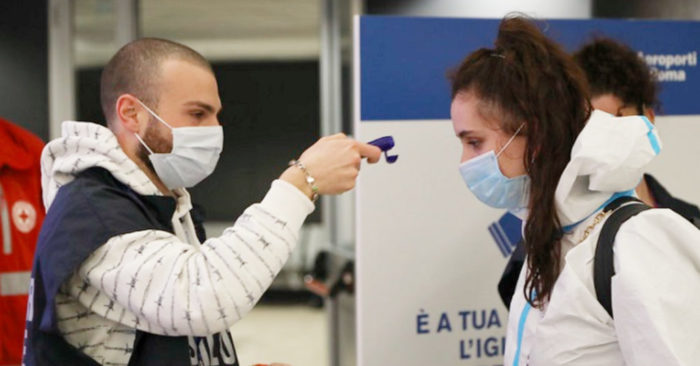
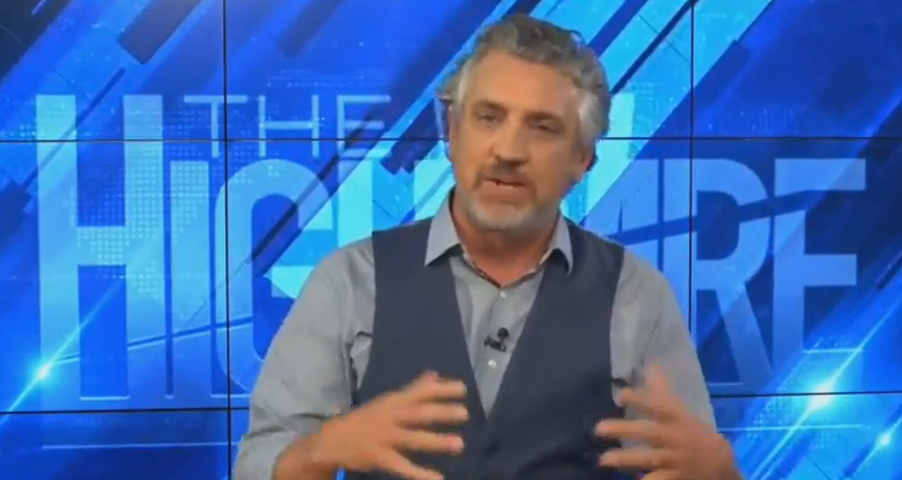
That is exactly what the old news clip accompanying this article was reporting.
This wasn’t an internet rumor.
It wasn’t something invented years later.
It was coming directly from the CDC and FDA.
Then came the reassurance
As additional information came in, health agencies emphasized that the signal had weakened and that other databases and studies had not consistently reproduced the finding.
By 2024, the CDC was saying that the accumulated evidence did not provide clear and consistent evidence that the vaccines caused ischemic stroke. CDC
That distinction matters. A safety signal is not the same thing as proof of causation.
But neither is a safety signal meaningless.
It is precisely the kind of finding vaccine-surveillance systems are designed to detect and investigate.
Then the age range changed
What caught my attention is what happened next.
During surveillance of the 2023–2024 COVID vaccines, the Vaccine Safety Datalink again detected a statistical signal for ischemic stroke.
This time, the CDC described the signal among adults 50 years and older.
More specifically, CDC reported a signal following the Moderna vaccine in adults 65 and older — and following the Pfizer vaccine among adults 50 to 64 years old. CDC
That is a very different picture from the one presented to the public in January 2023, when the concern was framed around those 65 and older.
Again, the CDC says these statistical signals have not established that vaccination caused the strokes.
But the history is worth documenting.
First, a stroke signal was detected in people 65 and older.
Then later monitoring detected a stroke signal extending into a younger age group.
And researchers have looked below age 65
A Kaiser Permanente Southern California study examining Pfizer’s bivalent vaccine did not find an overall increase in ischemic stroke risk.
But one of its subgroup analyses did report a statistically significant increase among people younger than 65 who had also received an influenza vaccine on the same day.
The authors themselves treated that as a subgroup finding requiring caution rather than proof of a broad vaccine effect. PMC
That is important context, because this subject should not be reduced to either extreme.
The evidence does not justify saying that every stroke occurring after vaccination was caused by a vaccine.
But it is equally fair to remember that stroke concerns surrounding these vaccines were being investigated by federal safety-monitoring systems as far back as 2023 — and the age group involved in later surveillance was no longer limited strictly to those over 65.
People deserve the entire history
One of the problems with discussions surrounding COVID vaccination has been how quickly yesterday’s safety concern can disappear from public conversation.
The January 2023 CDC announcement still exists.
The television reports still exist.
And subsequent CDC documents show that ischemic-stroke surveillance continued and later produced a signal involving adults as young as 50–64. CDC
People should be able to see that timeline for themselves.
Safety surveillance only has value when the public is allowed to see the signals, understand the uncertainty, and follow what happens to them over time.
And when a signal changes or appears in a different population, that deserves attention too.