The following article was originally published by the ViroLIEgy Newsletter on Substack and is summarized here for informational and discussion purposes. Credit goes to the original author and publication:
ViroLIEgy Boosters: The Hanta and Ebola Testing Illusion
Source: ViroLIEgy Newsletter by Mike Stone
https://viroliegynewsletter.substack.com/p/viroliegy-boosters-the-hanta-and
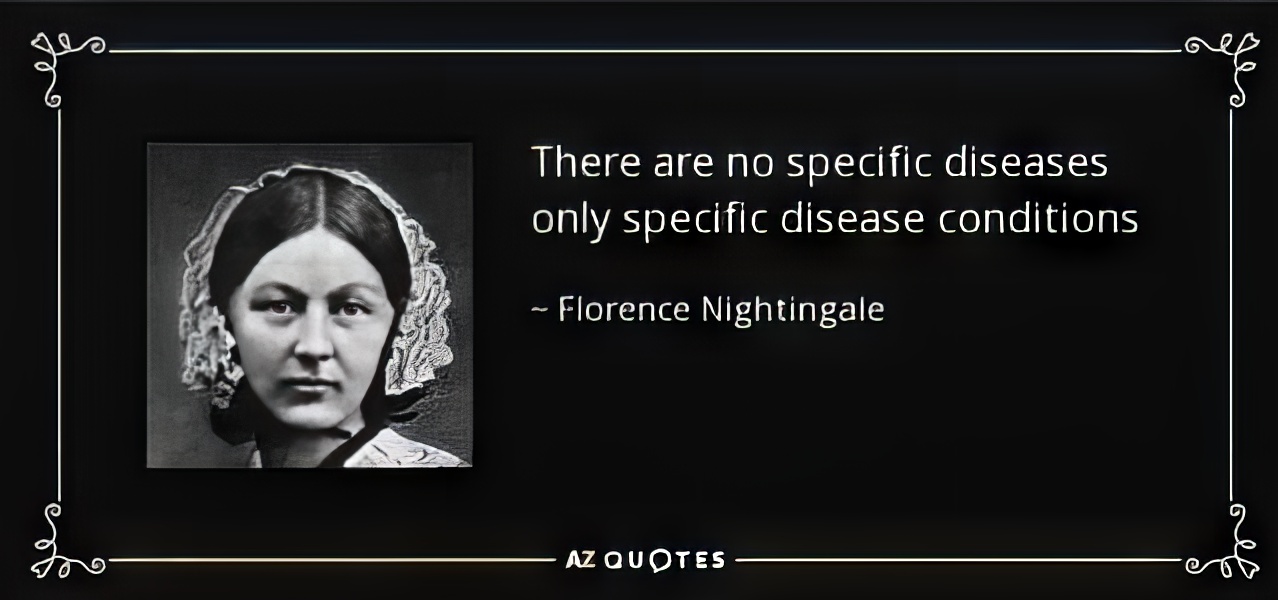
This article examines how modern public health “outbreak” narratives are constructed through selective testing protocols, epidemiological screening, and laboratory confirmation systems. Focusing on recent CDC advisories surrounding Hantavirus and Ebola, the author argues that the symptoms associated with these illnesses are so broad and non-specific — including fever, fatigue, cough, gastrointestinal distress, and malaise — that they overlap with countless ordinary illnesses such as influenza, pneumonia, malaria, and food poisoning. According to the article, because clinical symptoms alone cannot uniquely identify these diseases, health authorities instead rely heavily on exposure histories, travel patterns, and contact tracing to determine who gets tested.
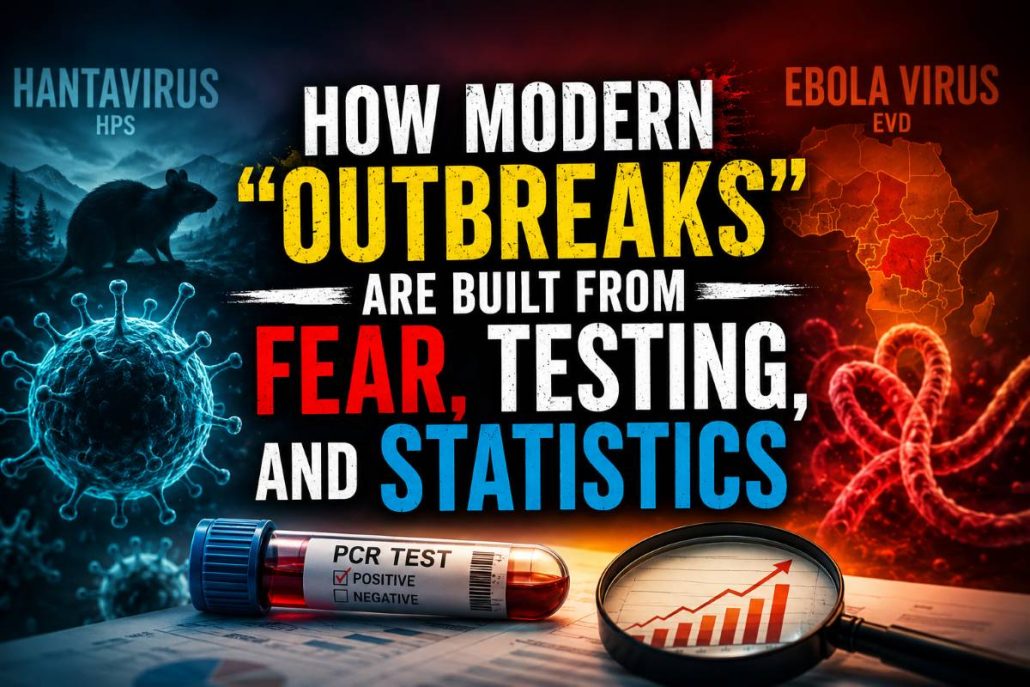
The article further claims that once individuals are funneled into these selective testing pipelines, laboratory methods such as PCR and antibody testing are used to “confirm” infections within pre-screened populations. The author describes this as a self-reinforcing cycle in which exposure assumptions guide testing, positive tests validate those assumptions, and the resulting “confirmed cases” are then used to justify broader public health alerts. Through examples involving Ebola travel advisories and diverted airline passengers, the piece argues that large-scale fear and perceived outbreaks can emerge not necessarily from widespread severe illness, but from expanding definitions of exposure and increasingly aggressive testing protocols.
Ultimately, the article presents a broader critique of modern epidemiological systems and media-driven public health responses. It contends that the appearance of rising disease prevalence may be heavily influenced by how institutions choose to test, classify, and monitor populations rather than by dramatic changes in actual illness patterns. Drawing parallels to the Covid era, the author argues that mass testing can create the perception of rapidly spreading “super-viruses” by grouping together many unrelated illnesses under a single diagnostic category. The central thesis is that public fear is amplified through coordinated messaging, selective diagnostics, and statistical framing, leading readers to question whether outbreaks are primarily biological events or products of institutional testing infrastructure and narrative management.